4 THE KIDS PRODUCTIONS 4 The Kids Productions Los Angeles — Feature Films
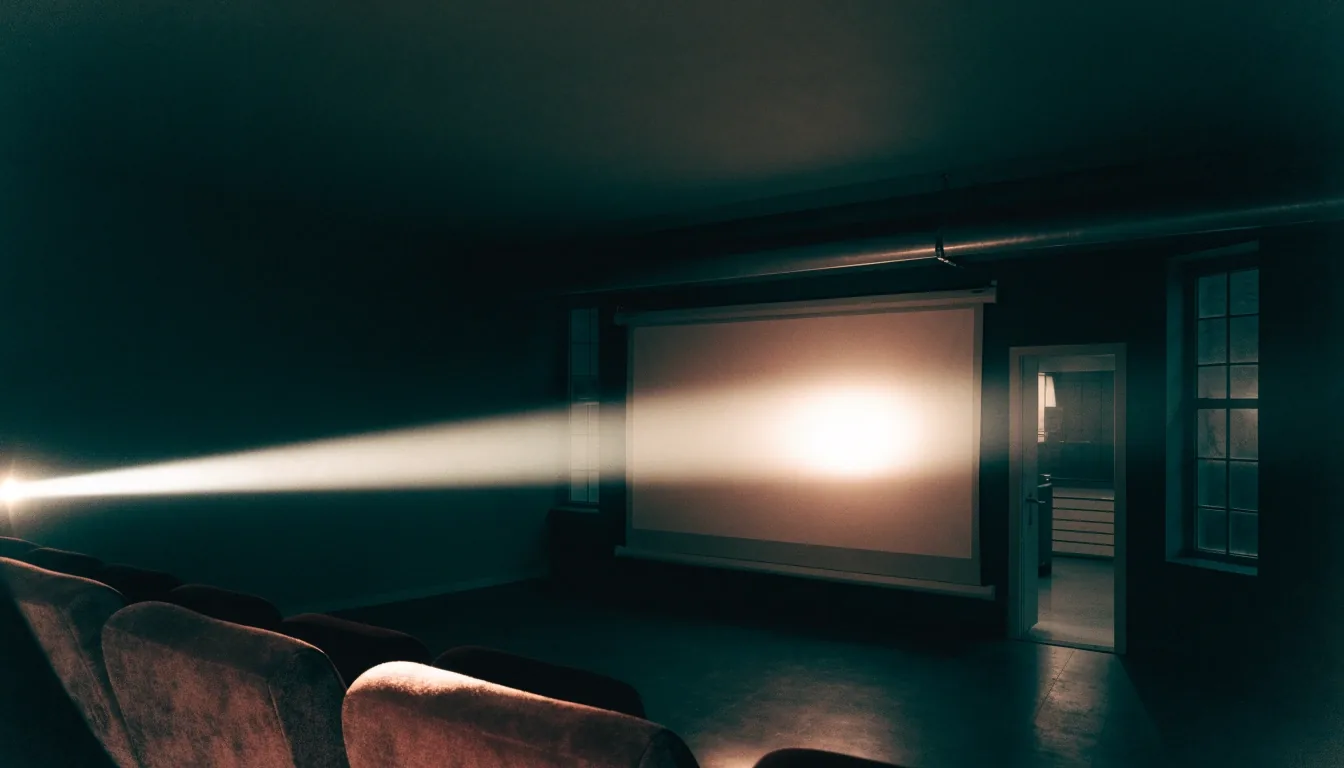
Screening room with velvet seats facing a glowing bone screen

Frequently asked questions

Questions producers ask before they submit

Held on screen long enough to be judged

This page answers the questions we hear most often from filmmakers, writers, and partners who are considering 4 THE KIDS PRODUCTIONS. The answers are practical on purpose. They cover what to send, how we evaluate material, what a partnership looks like, and what happens after an inquiry arrives. If your question is not answered here, send it through the contact page and we will reply in writing.

Submitting a project

What to send, and how we read it

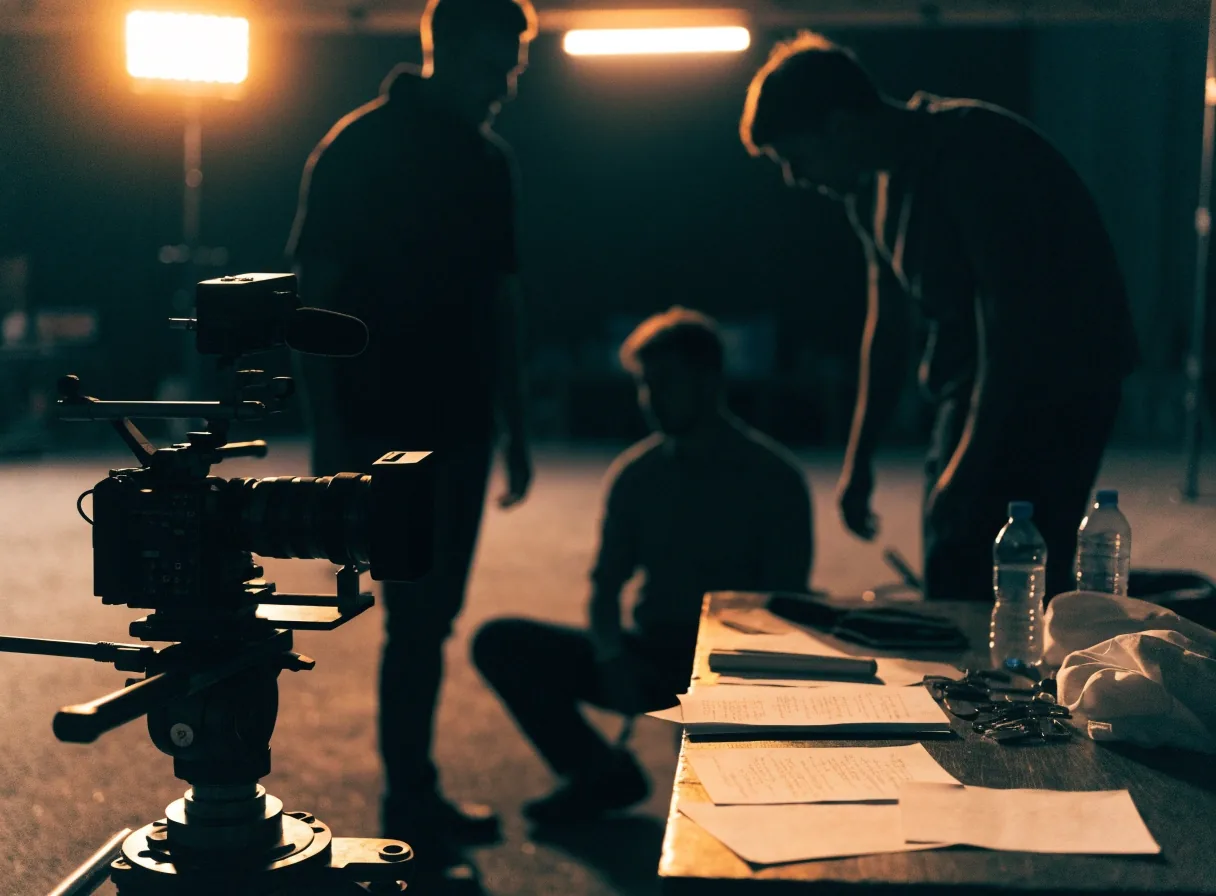
Camera and slate bench on a feature film set

A working set, judged at the bench

What should a first inquiry include

A first inquiry should include a logline, a short synopsis, the writer's name, and a note on representation if the project has an agent or manager. A brief statement of the current stage also helps, such as whether the script is a draft, a revision, or a final shooting script. That information lets us assign the project to the right reader and reply with a real answer. Please do not attach a full screenplay to the first message. We will ask for it when we are ready to read, and that step protects both sides.

How does the company evaluate new material

We read for structure, character agency, and producibility, which means we count the scenes that carry cost as carefully as the scenes that carry story. A script that needs a large cast, a period build, or extensive visual effects is not rejected for that reason, but its budget must admit the cost. We also check whether the ending resolves the question the opening raised, and whether the film can hold an audience for feature length. Those tests are practical, and they tell a writer more than a general compliment would.

What kinds of projects fit the slate

Our slate covers genre fare, prestige releases, and nonfiction storytelling, each at a scale a financing package can realistically carry. A project fits when its premise, budget, and intended distribution window point in the same direction. A horror feature with a contained location and a clear audience is a different proposition from a period epic with a hundred speaking parts. Neither is impossible, but the second needs a larger package and a longer timeline. Tell us the scale honestly, and we will tell you honestly whether it fits.

What happens after an inquiry is sent

We read every serious inquiry and reply with a next step, which can be a request for the script, a meeting, or a polite pass with a reason. The timeline depends on the number of projects in the queue and the length of the material, so a reply may take longer than a day. What we will not do is leave a serious inquiry unanswered. If you have not heard from us after a reasonable period, a short follow-up message is appropriate. Silence from a producer is information, and we would rather give you a direct answer.

Money, roles, and fit

Three depths of the same deal

Financing

How independent film financing works today

Independent producers assemble a financing package from several sources, such as equity, presales, gap funding, and tax incentives where the production qualifies. Each source has conditions that affect schedule, casting, and delivery, so the package is mapped before a shoot date is set. A sales agent can advise on which territories and platforms a finished film is likely to place with. The total budget is the sum of what is actually available, not the sum of what could be available someday. That discipline is what separates a financed film from a hoped-for one.
Roles

Studio, production company, distributor

A studio finances and releases films through its own distribution operation, a production company develops and produces the film, and a distributor acquires and releases finished films to theaters or platforms. A production banner such as ours carries a project through development, production, and post-production, then works with sales agents and distributors to place it. A specialty label inside a studio, such as Searchlight Pictures, operates with a narrower editorial identity than the parent studio. Knowing which role a company plays tells you what kind of agreement to expect from it.

Partners

What makes a company attractive to studios and streamers

A production company becomes attractive when it brings a strong script, a believable budget, and a schedule that a partner can trust. Complete documents matter as much as creative taste, because a studio or streamer has to defend the project to its own leadership. A clean chain of title and a realistic distribution window plan also matter, since a buyer will ask where the film can go. A short slate of finished films carries more weight than a long list of titles in development. Reliability, in short, is a creative asset.

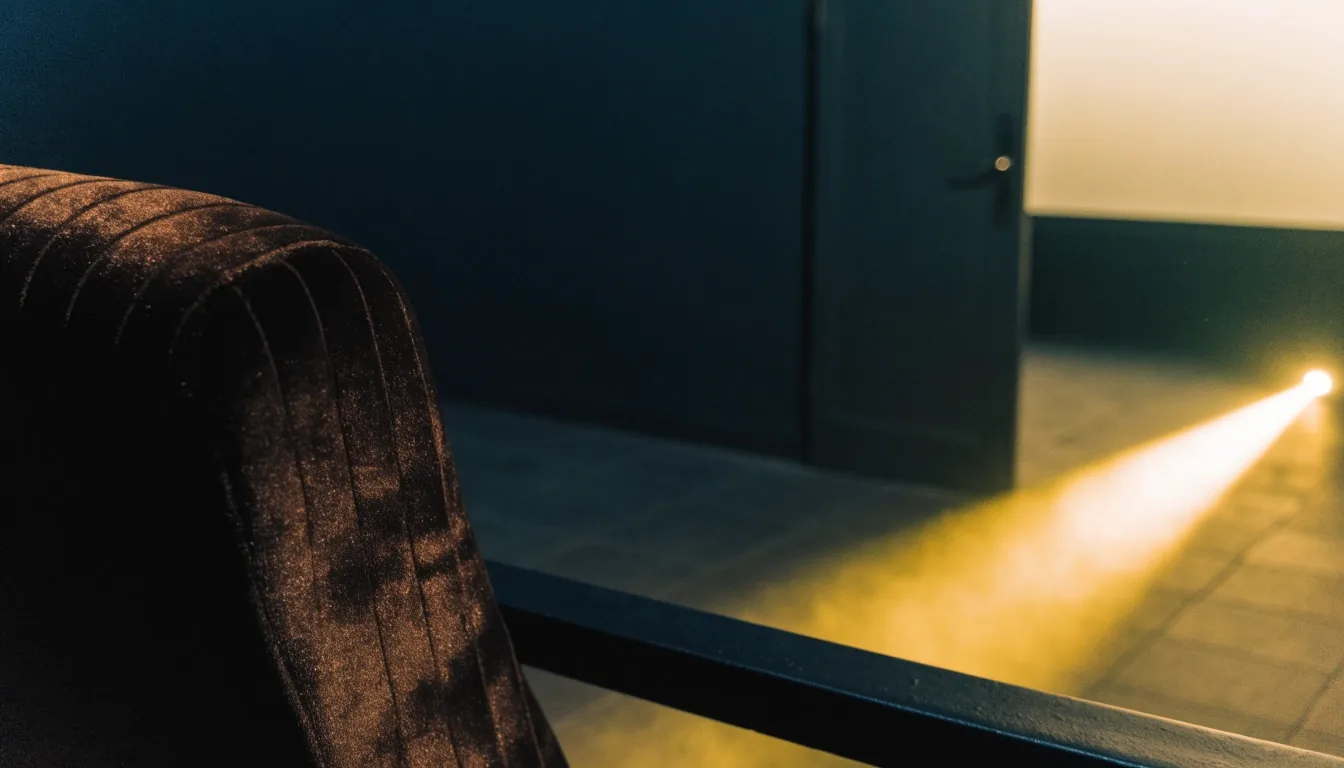
Screening room seats, doorway and screen in three focus depths

Foreground seat, doorway, screen — the same light step

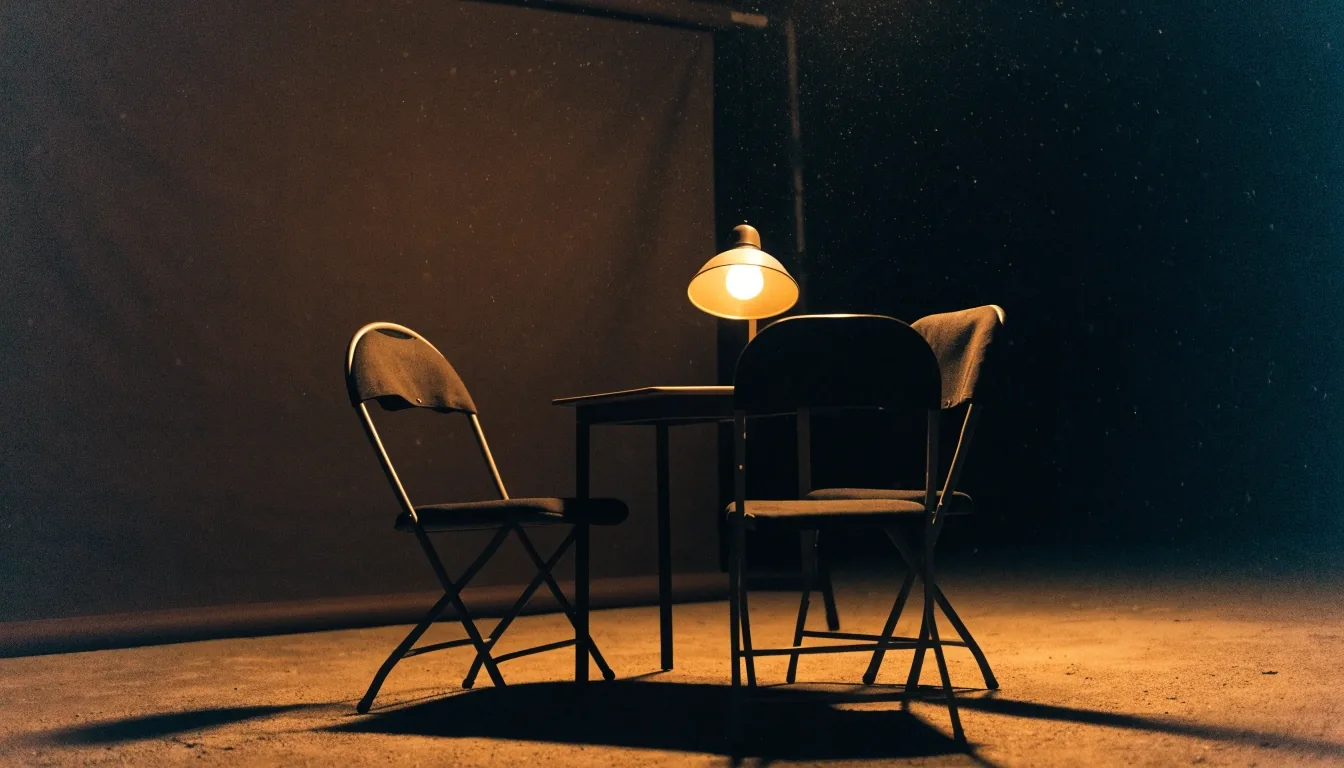
Empty night film set with one practical lamp

Tools and partnerships

The tools change. The standard does not.

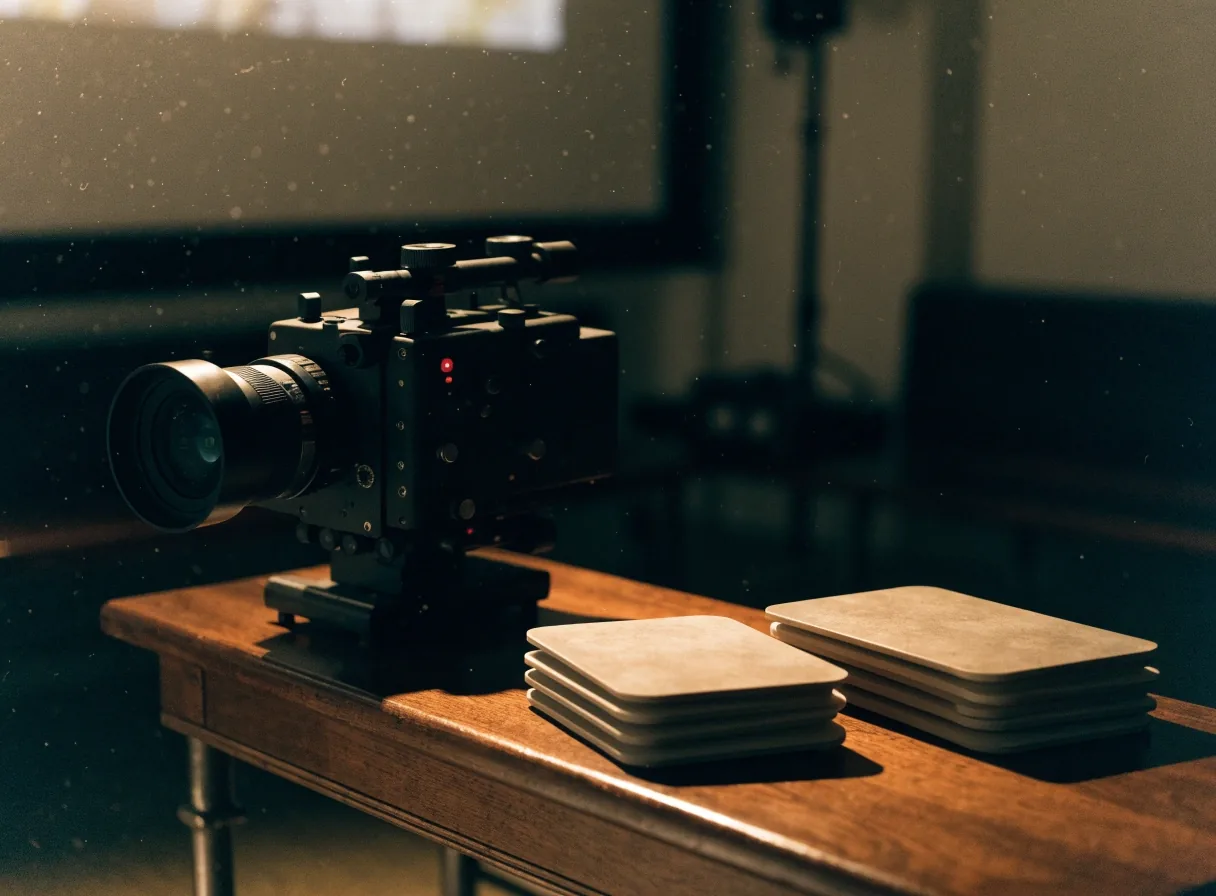
Stacked slates and a camera on a bench

Ready to put a project in front of us? Send a short inquiry through the contact page. The office is at 11835 W Olympic Blvd., Ste 1050E, Los Angeles, CA 90064, Monday to Friday, 9:00 AM to 6:00 PM. You can also write to [email protected] or call +1 (323) 537-2344.

How does AI affect development and post-production

AI tools are changing previsualization, background generation, and some post-production workflows, and they are best understood as accelerators for specific tasks. Wonder Dynamics, for example, is known for AI-assisted visual production workflows in Los Angeles. A tool can reduce the cost of iterating on a shot, and it cannot judge whether the finished scene plays in a screening room. We evaluate any tool by the budget line it affects and the quality of the result it produces. The craft standard for the finished film does not change.

How do partnerships and first-look deals work

A partnership can range from a single project coproduction to a first-look deal where a partner sees our next projects first for a set period. The terms, the territory, and the decision timeline are discussed in writing before any commitment. A first-look deal is useful when a partner wants first access to a slate, and it is less useful when a producer needs an immediate financing decision. We discuss both options plainly and recommend the one that fits the project. A deal that neither side can describe is not a deal.

A plain rule for first contact

Logline, synopsis, stage, representation. Then we ask for the script.

That short first message is what gets a project to the right reader fastest, and it is the same route for a filmmaker, a writer, and a partner. Send your question through the contact page and we will reply in writing.