4 THE KIDS PRODUCTIONS 4 The Kids Productions Los Angeles — Feature Films
Los Angeles production lot street at dusk with studio facades and parked trucks

Industry landscape — United States

How U.S. film companies actually get films made

The U.S. film business is not one business. It is a set of different models that finance, produce, and release films in different ways, and each model makes different kinds of movies. Understanding those models helps a filmmaker choose the right partner and helps a partner judge whether a project fits their own slate.

Specialty studios · Independent producers · Creator-led distribution

The bench

Studios and specialty labels

Film crew working on a feature set with camera and slate bench

A set at work — the work behind every model below.

This page compares the main shapes of the market, from specialty studios and independent producers to production services companies and AI-assisted tools. Start with the companies that carry a studio fund, then move to the companies that build a package for one film at a time.

Studios and specialty labelsA legacy studio finances and releases films at scale, while a specialty label operates inside a larger studio with a narrower editorial identity.

Searchlight Pictures, based in Burbank, California, is a specialty label within the Disney ecosystem and is commonly associated with prestige, festival-driven releases. That position shows what a specialty label does differently from a general studio: it chases fewer titles, protects a distinct taste, and builds its reputation on festival premieres and awards conversation.

The trade-off is that a specialty label only takes projects that fit its lane. A filmmaker should know the lane before pitching the label — read the last five releases, note what they share in subject, scale and audience, and check whether your project sits inside that pattern or asks the label to change it.

Independent producers and production bannersIndependent producers work project by project, assembling a financing package for each film rather than drawing on a standing studio fund.

Sundial Pictures, a Brooklyn-based production company, has credits that include This Much We Know from 2023 and La Petite Mort from 2019, and it represents the localized indie ecosystem in New York production directories. A compact credit slate like that shows how a local company builds identity through a small number of finished films.

The lesson for a new producer is that a short list of completed work carries more weight than a long list of announced titles. Finish smaller work, keep the credits clean, and let each completed film make the next financing conversation shorter.

Distributors who also produceSome companies act as both distributor and producer, and that dual role changes the kind of film they can support.

Magnolia Pictures is headquartered in New York, New York, is known for art-house and genre releases, and acts as both distributor and producer in the indie market. When a distributor produces, it can shape a film toward the audience it already knows how to reach. It can also prefer material that fits its existing release calendar.

A filmmaker signing with such a company should ask which part of the business is making the offer and on what terms — who controls the cut, who sets the release window, and what happens if the film does not fit the calendar it was shaped for.

Three depths, one rail

Compare before you pitch

Put a project in front of three kinds of partner and listen for how the questions change. The studio asks about fit, the independent asks about the package, the audience-backed model asks about the audience.

Flat — standing fund

Specialty studio

Searchlight Pictures shows the specialty shape: fewer titles, a protected taste, a reputation built on festival premieres and awards conversation. The money is standing, the lane is narrow.

Best fit: a finished script that clearly belongs in that lane. Watch out: a project outside the lane will not be argued into it.
Lifted — one film at a time

Independent banner

Sundial Pictures shows the independent shape: a Brooklyn company building identity through a small number of finished films, each financed as its own package.

Best fit: a producer with completed work and a package that can close. Watch out: announced titles do not substitute for finished ones.

Recessed — audience first

Creator-led distribution

Angel Studios shows the audience-backed shape: the audience that funds or buys a ticket in advance becomes part of the creative calculation before release.

Best fit: a project that can speak to a defined audience clearly. Watch out: audience work belongs in the budget, not after it.

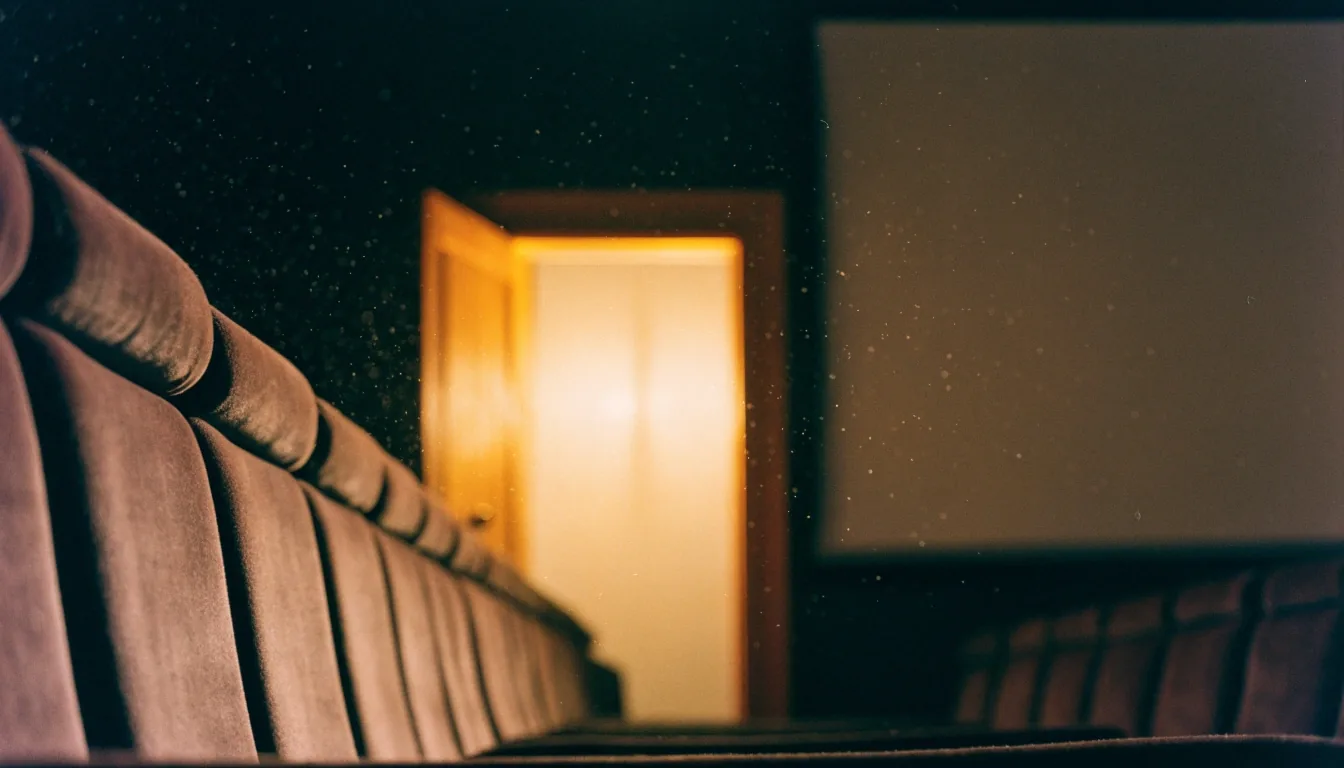
Cinema seat, doorway and screen in three focus depths
Foreground seat, doorway, screen — the same three steps as the panels above.

The work under the work

Services, development and tools

Production services

A production services company does not make creative decisions, but features cannot be made without the operational support it represents. Everyset appears in Los Angeles production-company directories alongside film-production and studio listings and is associated with production workflow services.

That is the hidden infrastructure that keeps sets staffed, payroll processed, and schedules moving between location and office. Beginners often skip this layer in their budgets and then discover it during production. Experienced producers treat payroll, insurance, and workflow support as production costs from the first top sheet.

Development-stage companies

Some U.S. companies specialize in movie development from concept through distribution strategy, and their value sits in packaging rather than in a studio lot. 99 Years Studios was founded in 2014, is listed as a U.S. motion-picture production company, and includes AI, marketing, and business development in its positioning.

The question a filmmaker should ask is whether the packaging leads to a real financing package or only to a more polished deck. The answer lives in the documents — ask to see what the package has actually closed before.

AI-assisted tools

Wonder Dynamics is listed in Los Angeles film-production company directories and is known for AI-assisted visual production workflows at the intersection of filmmaking and software.

A tool can speed up previsualization, iterate on a shot, or reduce the cost of a background variation, and each of those uses has a real budget line. A tool cannot judge whether a scene plays in a screening room. That judgment still belongs to the people making the film.

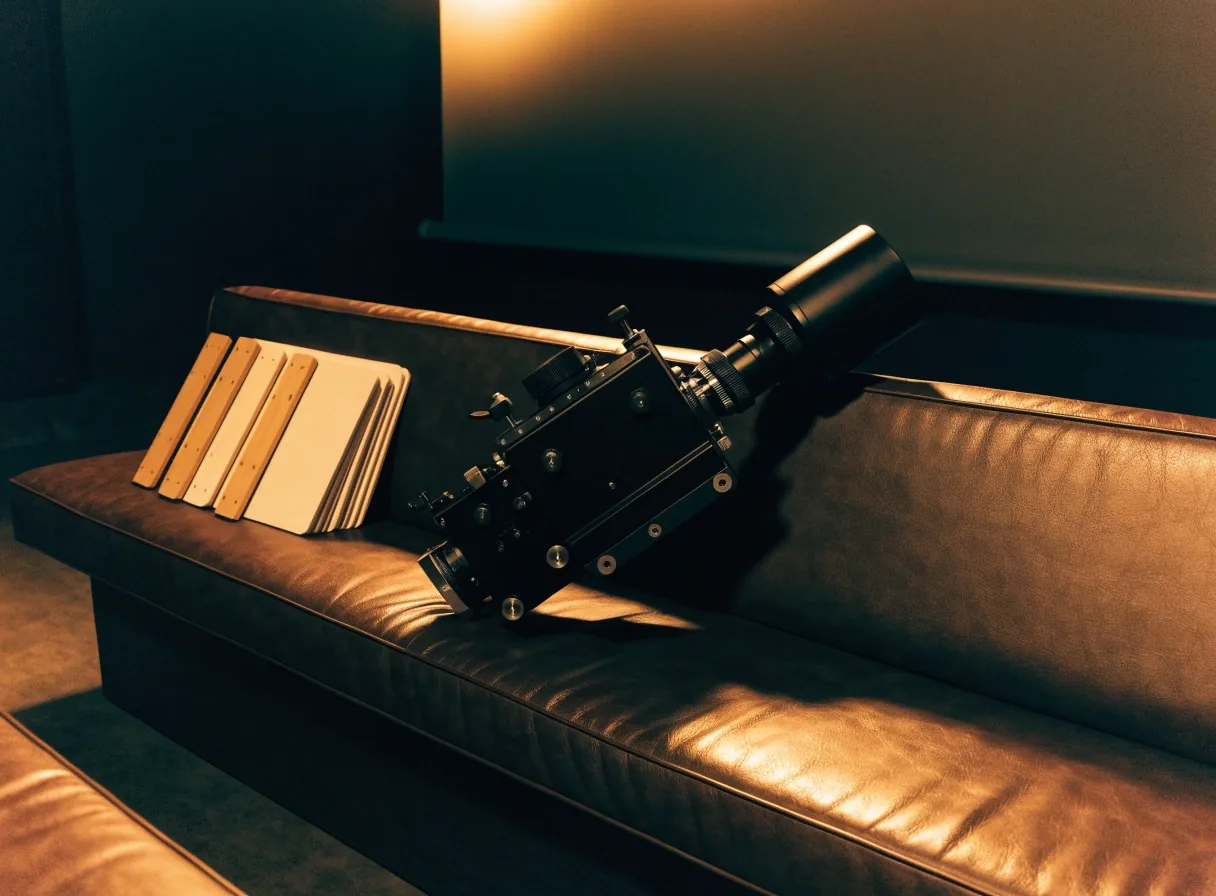
Stacked slates and camera on a production bench

Documentary and mission-driven companies

Multitude Films is an independent production company that works in documentary storytelling and focuses on transformative culture change through nonfiction storytelling. That mission-driven position shows how a documentary company builds identity through subject matter rather than through genre or scale.

A socially engaged documentary needs access, a narrative structure, and a clear audience, and its financing often comes from a different mix of sources than a narrative feature. The common thread with narrative work is the screening room: a documentary feature still has to hold an audience for its full length.

Read our services
Empty film set at night with one practical lamp

The final cut of the comparison

First-look deals and market premieres

Rows of velvet seats facing a glowing screen

A first-look deal gives a studio or streamer the first chance to finance or distribute a producer's next project for a set period. It is attractive because it turns a producer's slate into a known quantity, and it is risky because a producer can spend a year in a queue that never reaches production.

A market premiere works differently: it puts a finished film in front of buyers and press at a festival, where the response shapes the sales conversation. Both tools build visibility in a crowded market, and neither replaces a financing package that closes. Experienced producers use them as part of a plan, not as the plan itself.

Comparison of production models in the U.S. film market
ModelHow money movesWho decidesAsk first
Specialty labelStanding studio fund, fewer titlesLabel taste within the studioDoes my film fit the lane?
Independent bannerPackage assembled per filmProducer and financiers on that filmWhat has actually closed?
Distributor-producerShaped toward a known release calendarThe distribution side, in practiceWhich side is making the offer?
Services / developmentFee for payroll, workflow or packagingThe production, not the service companyDoes packaging become financing?
Creator-led / audienceAudience funds or buys in advanceAudience response and the makerIs audience work in the budget?

Where your project fits

Bring the project to the screening room

4 THE KIDS PRODUCTIONS develops and produces feature films in Los Angeles for theatrical and streaming release. Tell us what you have — a script, a package, a finished cut — and we will tell you which model it fits and what that model will ask for first.

Visit11835 W Olympic Blvd., Ste 1050E, Los Angeles, CA 90064

Contact[email protected]
+1 (323) 537-2344

HoursMonday to Friday, 9:00 AM to 6:00 PM